Future Development in Budapest
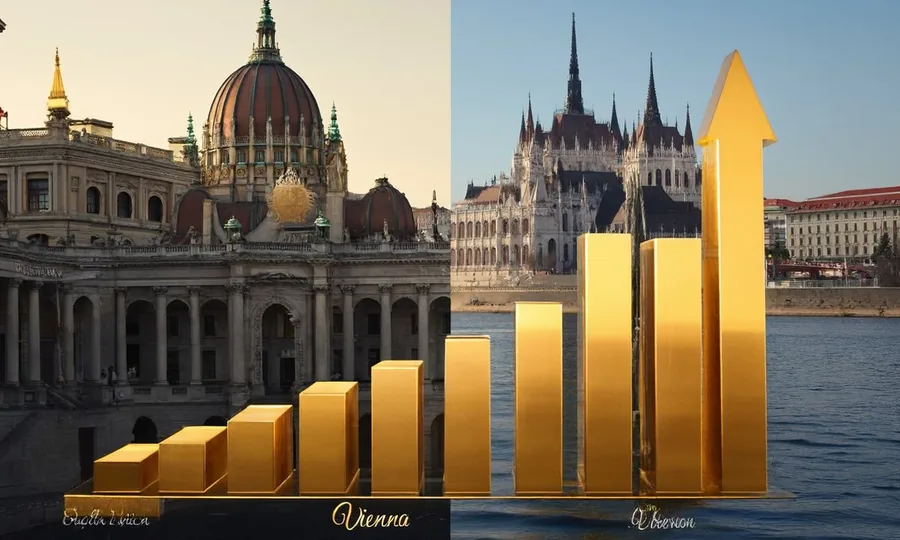
Growth Areas 2026–2030
Urban development in Budapest is relentless. Following years of massive infrastructure investment, 2026 reveals a clear landscape: five districts poised to become the city's primary growth engines, all currently in advanced stages of implementation.
Savvy investors do not wait for official announcements—they position themselves before the rush. Below is the definitive map of infrastructure projects, emerging growth zones, and the most compelling investment opportunities in Budapest.
1. District 8 (Józsefváros): The Gentrification Wave
🚀 District 8 (Józsefváros) Major Growth Area
While District 7 (Erzsébetváros) was once the historic heart of Budapest's Jewish community, District 8 has now emerged as the next critical area for investors to monitor. Current prices per square meter range from €2,200–3,000—approximately 40% below the city average.
Key Project: Gyár Utca District – a strategic plan to transform a former industrial zone into a technology park, comprising 1,200 new apartments plus commercial space.
Expected Return: +22% by the end of 2027
2. Kék Metro Line (Line 5) – The Connection That Changes Everything
The largest metropolitan project in Budapest's history: Line 5 will connect the eastern and western sectors of the city. This is not merely a new transportation link—it represents a significant investment opportunity.
| Station | Status 2026 | Impact on Real Estate |
|---|---|---|
| Deák Ferék (Center) | Operational | Transfer hub – 15-20% value increase |
| Kelenföld vasútállomás | Active construction | Major transportation hub – driving new demand |
| Fővám tér (District 8) | Active construction | Gateway to Józsefváros – 18-25% value increase |
| Budaörsi út | Advanced planning | Expansion of the central area – +10% new residents |
The Golden Rule: Any property located within 500 meters of the new line is projected to appreciate by 15-25% upon the station's opening.
3. Duna Park – A Completely New Residential Quarter
Duna Park stands as the largest urban development project in Budapest since 2010. Spanning 50,000 square meters, the site will feature:
- 1,200 residential apartments – including affordable units designed for young families
- 50,000 square meters of office space – establishing a new business hub in District 13
- A 20,000 square meter public park
- Commercial and retail zones
Current pricing in the area stands at €3,500–4,500 per square meter, with an anticipated increase of 15-20% upon the completion of the residential phase.
4. Danube Green Bridge – Connecting Worlds
The new bridge will link Castle Hill (District 1) to Városliget Park (District 14). This is more than a bridge; it is an opportunity to transform the surrounding neighborhoods into premier tourist and real estate destinations.
🌉 Danube Green Bridge Advanced Planning
Planning for the bridge commences in 2027, with construction scheduled through 2030. Surrounding areas are projected to appreciate by 15-20% from the date of the official announcement.
Early Investment: Acquiring properties on Castle Hill and in District 14 prior to the start of construction offers the highest potential for profit.
5. Nemzeti Hajózási Park – A New Entertainment Hub
A 100,000 square meter project located near the Port of Budapest, featuring:
- Water and entertainment park
- Commercial and dining districts
- New train station
- National tourist zone
Impact: High demand for rental apartments in the vicinity, with an expected appreciation of 10-15% in nearby areas.
Mapping Growth Areas – Where Should You Invest?
| Area | Current Price (€/sqm) | Potential until 2027 | Investment Opportunity |
|---|---|---|---|
| District 8 – Józsefváros | €2,200–3,000 | +22% | Highest (low entry + active development) |
| District 9 – Károlyi | €1,800–2,500 | +25% | Lowest entry point – high risk/high return |
| District 13 – Duna Park | €3,500–4,500 | +15-20% | More secure – development already underway |
| District 5 – Város | €4,200–5,500 | +12% | Stable and proven – long-term return |
| Castle Hill (District 1) | €6,500+ | +8-10% | Luxury – secure capital gains in the long term |
The Key: Invest Before the Market Discovers
Investors who recognize these trends are the ones who capture the most value. If you wait for the official announcement of these projects, prices will have already increased by 20-30%.
Frequently Asked Questions – Urban Development in Budapest
Q: What is the Károlyi Város project?
A: An urban development initiative comprising 50,000 square meters of offices and commercial space in District 13 (Újpest). Plans include a new train station, a public park, and residential areas. Expected registration – 2027–2028.
Q: How do I know if my property will be affected?
A: Any property located within 500 meters of an infrastructure project (railway, bridge, institution) is projected to appreciate by 15–25%. Consult the map of ongoing projects on the Budapest city infrastructure website.
Q: What does price growth look like in 2026?
A: An increase of 8–12% is expected in 2026, 12–18% in 2027, and up to 20–30% by 2030 in areas with active development (Districts 8, 13, 14). Districts without active development are projected to see only 4–6% growth.
Want to know where to invest before the market fills up?
The Return team tracks every infrastructure project and delivers investment opportunities to you before the masses arrive. Contact us today.
Contact us now →⏳ Before you go
Get a full list of open projects with yields and pricing — directly to your WhatsApp.
📲 Send me the list