Budapest: Development, Tourism, and Lifestyle
– Why is Everyone Investing There in 2026
Budapest is more than just another European city. It stands as one of the fastest-growing real estate markets on the continent. The reason is simple: a unique convergence of booming tourism, rapid urban development, and a high quality of life that attracts investors from Israel and across Europe daily.
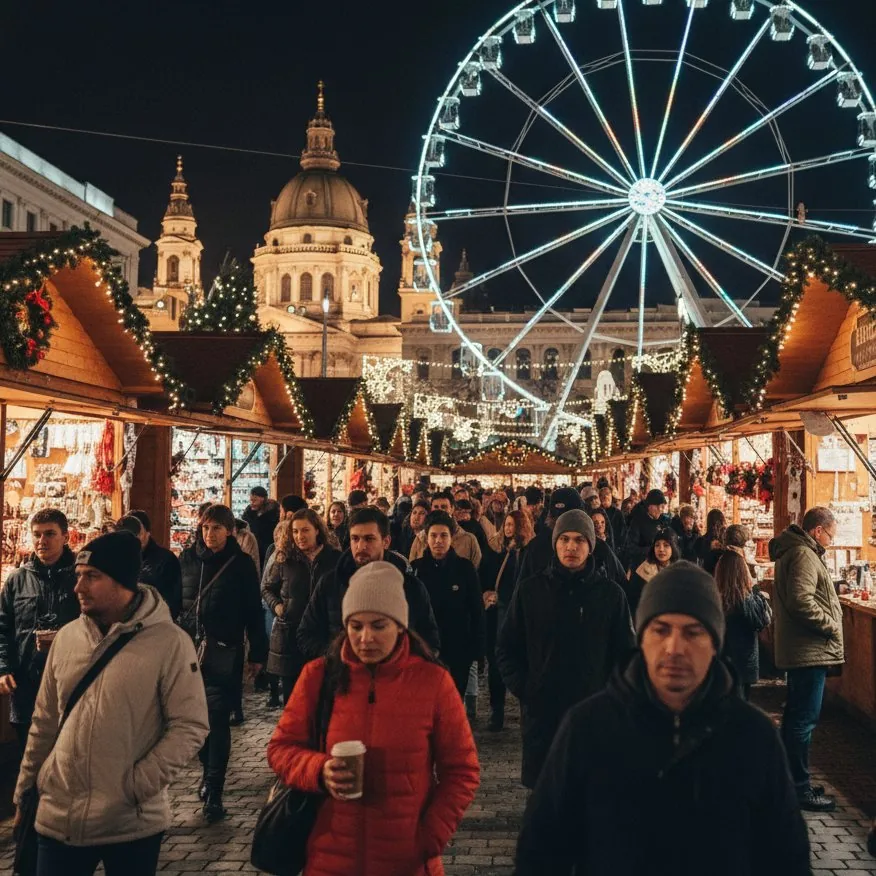
In 2026, Budapest is internationally recognized as the most profitable city for real estate investment in Europe – and the data speaks for itself. With a population of nearly 2 million within the city limits and 3.3 million in the metropolitan area, the scale is impressive. Yet, the most critical figure is 14 million annual tourist visitors, driving a tangible, sustained demand for real estate.
1. Thriving Tourism – The Primary Engine of Budapest's Real Estate Market
Tourism in Budapest has not only recovered from the pandemic but has shattered records in 2026. With 14 million visitors this year—an 18% increase compared to 2023—the upward trend is accelerating.
Visitors arrive from diverse markets including Germany, the Czech Republic, Israel, the United States, and the United Kingdom. This creates a constant demand for apartments set within a historical atmosphere, particularly in District 5 (Belváros), District 6, and District 7 (the Jewish Quarter).
| Year | Tourists in Budapest (Millions) | % Annual Growth |
|---|---|---|
| 2019 (Peak pre-pandemic) | 8.5 | — |
| 2021 (Initial recovery) | 3.2 | -62% |
| 2022 | 7.8 | +144% |
| 2023 | 10.6 | +36% |
| 2024 | 12.4 | +17% |
| 2025 (Estimated) | 13.1 | +6% |
| 2026 (Forecast) | 14.0 | +7% |
What does this mean for investors? Consistent demand for short-term rentals (Airbnb, etc.). An apartment in a prime tourist area of Budapest yields an average annual return of 6–10%, and in specific zones such as District 5, returns can reach up to 12%.
2. Rapid Urban Development – Infrastructure Injecting Massive Capital
The Hungarian government is investing heavily in Budapest. Large-scale construction projects are launched every quarter, spanning roads, streets, and the development of modern transportation infrastructure, new bridges, and commercial zones.
| Key Project | Status in 2026 | Impact on Real Estate |
|---|---|---|
| Metro Kék (Line 5) | Active construction | East-west connection – price increase in new areas +20% |
| Gyár Utca District | Advanced planning | Former industrial area → technology park – demand for new apartments |
| Duna Park | Implementation stage | New residential area – 1,200 apartments, office and commercial space |
| Danube Green Bridge | Planning | Connecting Gellért Hill to Városliget Park – added value to commercial areas |
| Nemzeti Hajózási Park | Active construction | New entertainment area and train stations – efficient for domestic tourism |
The trend is clear: as infrastructure projects approach completion, prices in the surrounding area increase by an average of 15–25%. Savvy investors are positioning themselves now, ahead of the public launch of these developments.
3. Lifestyle – Why Tourist Apartments Are Also Becoming Permanent Residences
Budapest is recognized as one of the most affordable cities to live in Europe. While the cost of living remains relatively low compared to Western Europe, the infrastructure—including restaurants, culture, education, and healthcare—meets European standards.
5 reasons why people are relocating to Budapest:
- Young population – approximately 130,000 foreign students. Budapest is one of the largest university cities in Europe.
- Low corporate tax (9%) – making it an ideal destination for international companies.
- Central location – 2.5 hours to Vienna, 1.5 hours to Prague, 4.5 hours to Tel Aviv.
- Culture and entertainment – over 1,500 thermal baths, 300+ bridges, and a city defined by its permanent residents, historic streets, and vibrant atmosphere.
- Israeli community – over 1,500 Israeli families reside in Budapest, forming an active and supportive community.
4. Real Estate Market 2026 – The Numbers Behind the Investment Boom
The real estate market in Budapest is growing at an accelerated pace. The price per square meter increased by 14% in 2025 and 8% in 2026 (as of Q3), with a forecast for 2027 indicating a further increase of 5–7%.
| Type of Property | Price per sqm (Euro) | Annual Return | % Increase in 12 Months |
|---|---|---|---|
| 1-2 bedroom apartment – District 5 | €4,200–5,500 | 6-8% | +12% |
| 3+ bedroom apartment – District 7 | €3,000–4,200 | 7-9% | +15% |
| Studio – District 8 (Józsefváros) | €2,200–3,000 | 9-11% | +18% |
| Office – Business area (Váci utca) | €5,500–7,000 | 5-7% | +10% |
The key takeaway: Prices remain relatively low compared to other European cities: Prague – €4,000/sqm, Vienna – €8,000/sqm, Berlin – €9,500/sqm. Budapest is still firmly in the "buy-in" zone – and the market is just beginning its ascent.
5. How to Maximize Returns by Leveraging These Trends?
As industry experts, we identify three clear opportunities in Budapest for 2026:
a. Long-term rental – Stability and safe investment
High demand exists for family apartments in central areas. Business professionals, students, and employees of international companies are constantly seeking housing. Annual return: 6–9%. Stable, lower risk.
b. Short-term rental (tourist) – Maximum income
A studio or 2-bedroom apartment in District 5 or 7 can generate an 8–12% annual return via Airbnb. The challenge? It requires professional management – which is exactly what we provide.
c. Development and appreciation – Fast capital gains
Acquiring an older property in a developing area (e.g., District 8), renovating and upgrading it, and then selling. Return on investment (ROI): 25–40% within 18 months. This renovation path allows for rapid profit and security.
6. Summary: Why is Budapest the Best Investment in 2026?
At Yield, we observe these trends firsthand – confirming that Budapest is still in the "entry" zone.
- Tourism – 14 million tourists annually, with numbers rising every quarter. Consistent demand for apartments.
- Urban development – growing infrastructure budgets. Prices in surrounding areas are increasing by 15–25%.
- Relatively low prices – €3,000–4,200/sqm vs. €9,000+ in other European capitals.
- High returns – 6–12% annually on rentals. Higher than Vienna, Frankfurt, or Munich.
- Convenient regulation – 15% income tax, 9% corporate tax, and a streamlined purchase process.
Want to know where it's worth investing for you?
The Yield team will guide you step by step – from property identification and purchase to renovation and management. Those who invest in these areas first are the ones who have already profited.
Contact us now → ass="art-cta-btn">Contact us now →⏳ Before you go
Get a full list of open projects with yields and pricing — directly to your WhatsApp.
📲 Send me the list